
VPN vs Proxy vs Tor: What’s the Difference?
Last updated: 27 February 2026 • Basics • 5 min read
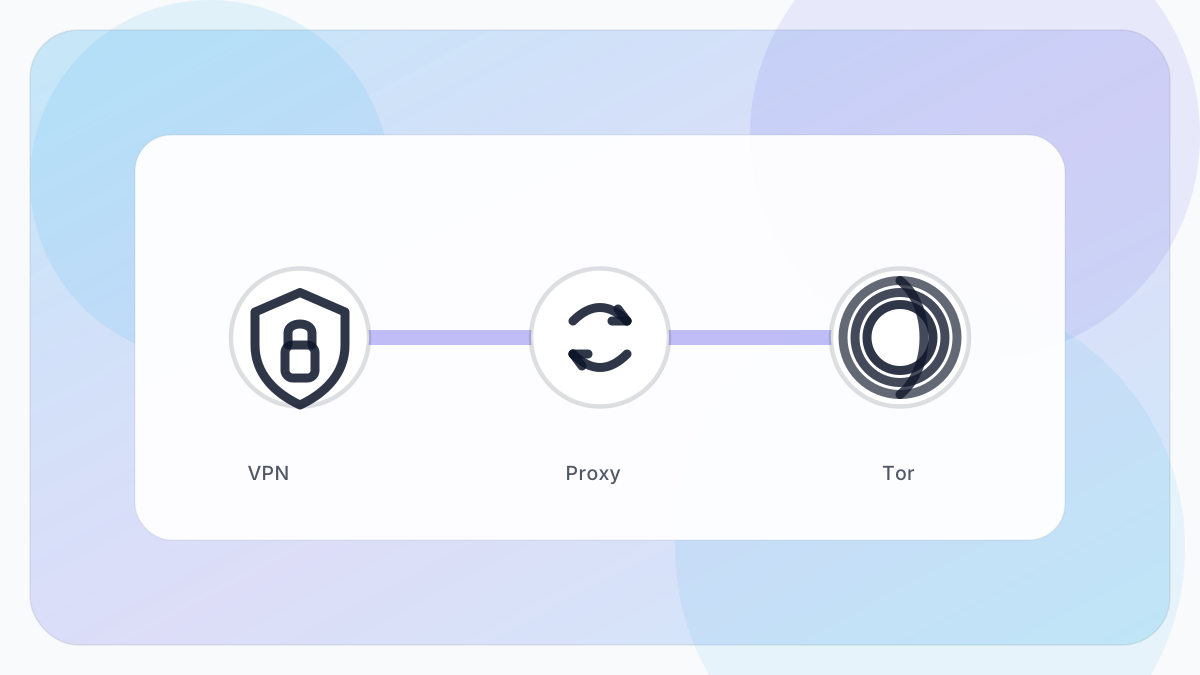
Tools like VPNs, proxies, and Tor can all “hide” your IP address in some way — but they’re built for different goals. Choosing the right one depends on whether you care most about privacy, encryption, or anonymity.
Quick definitions
- VPN: encrypts your traffic between your device and a VPN server, then routes your connection through that server.
- Proxy: forwards your traffic through another server, usually without encrypting it end‑to‑end.
- Tor: routes traffic through a volunteer network in multiple “hops” to help reduce traceability.
When a VPN makes sense
- Using public Wi‑Fi (cafés, airports, hotels)
- Reducing IP‑based tracking and profiling
- Adding an extra privacy layer on everyday browsing
When a proxy is enough
Proxies are commonly used for testing, caching, or simple routing. They can change the IP that a website sees, but many proxies don’t encrypt your connection the way a VPN does.
Where Tor fits
Tor is designed to make it harder to link your activity to you, but it can be slower and is not a substitute for good security habits. Accounts, malware, and unsafe downloads can still compromise you.
A simple recommendation
- Most people: a reputable VPN + good browser settings + strong account security.
- Higher‑risk situations: Tor can be helpful, but it requires more care and understanding.
Want an easy VPN option?
If you decide a VPN makes sense for you, you can view current plans and pricing on the official NordVPN page. (We may earn a commission at no extra cost to you — see our disclosure.)
Trademark note: NordVPN® is a registered trademark of Nord Security. This site is not the official NordVPN website.